
About narration
Uses speech voices provided by your browser or device. Availability, quality and online processing depend on that service.
Write the operating need before choosing equipment.
A distribution centre trying to reduce its daytime electricity bill has a different problem from a remote operation that needs power through the night. Both might receive a solar proposal. Their operating requirements should determine how that proposal is assessed.
List the activities that need electricity, when they run and what happens during an interruption. Separate loads that can stop from those that must continue. Use measured demand where available and state the gaps. Before asking vendors to price a system, have a competent engineer check the load profile and the required electrical protections.
Define reliability in terms the site can test.
Annual energy output does not say whether equipment will operate during a particular outage. Specify the critical load, required duration and acceptable recovery time. Ask the designer to explain the system's behaviour when the grid fails, when storage is depleted and when a component is unavailable.
For an illustrative cold-storage site, the commercial question includes the cost of spoiled stock and restart procedures. For a pumping installation, it may include water storage and the timing of demand. These examples require site-specific engineering. They should not be converted into a standard battery size or a promised level of availability.
Compare proposals on the same boundary.
Ask each bidder to identify included equipment, connection work, metering, maintenance and replacement assumptions. Put tariffs, escalation, financing, taxes and foreign-exchange assumptions on a common basis. Show which inputs come from signed terms and which remain estimates.
A South African grid-connected project and an off-grid project in the DRC can face very different connection, logistics and operating conditions. Obtain local technical and regulatory advice for each site. Keep permission to install, permission to connect and any right to export electricity as explicit checks. A vendor's generic proposal cannot settle those questions.
Cost the operating responsibilities.
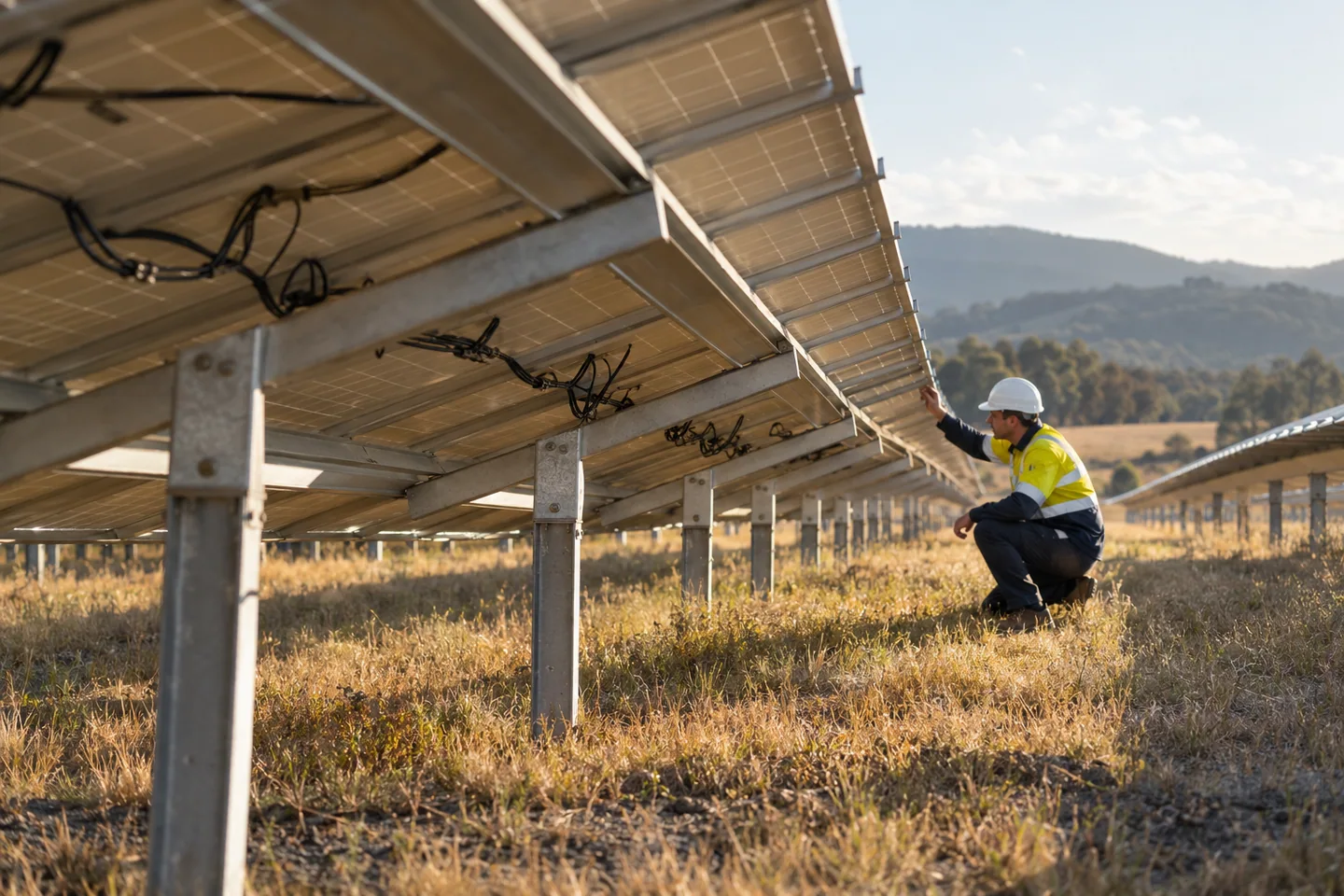
NREL's 2018 photovoltaic and storage maintenance guide links planning for maintenance with more predictable operating costs. It provides a technical reference for assessing the work after installation. [1]
Use the proposal review to assign practical responsibilities. Identify who receives alarms, attends faults, holds spares and records downtime. Check whether the maintenance price includes travel and replacement parts. If a service provider cannot reach the site promptly, the operating plan needs to account for that delay. Confirm the warranty conditions and the evidence required for a claim before accepting the system.
Make the investment decision reversible where possible.
Test the business case against lower output, higher costs and a delay in commissioning. State which changes would make the project unaffordable or unable to serve its critical load. A sensitivity table should explain the assumptions behind each case rather than suggest that a single return figure is certain.
Agree acceptance tests and responsibility for correcting defects before final payment. Then compare actual output, bills and downtime with the assumptions used for approval. If demand is uncertain, examine whether the design can be expanded in stages without expensive rework. The useful proposal is the one management can challenge, contract for and monitor through operation.
A question for your team
Which operating assumption would most change the value of our proposed energy investment?
Sources & notes
Sources checked on 29 October 2026. This article presents our analysis of the cited research and its implications for businesses. Numbered references link to the original sources.